AI Meeting Leak Highlights Growing Third-Party SaaS Security Risks
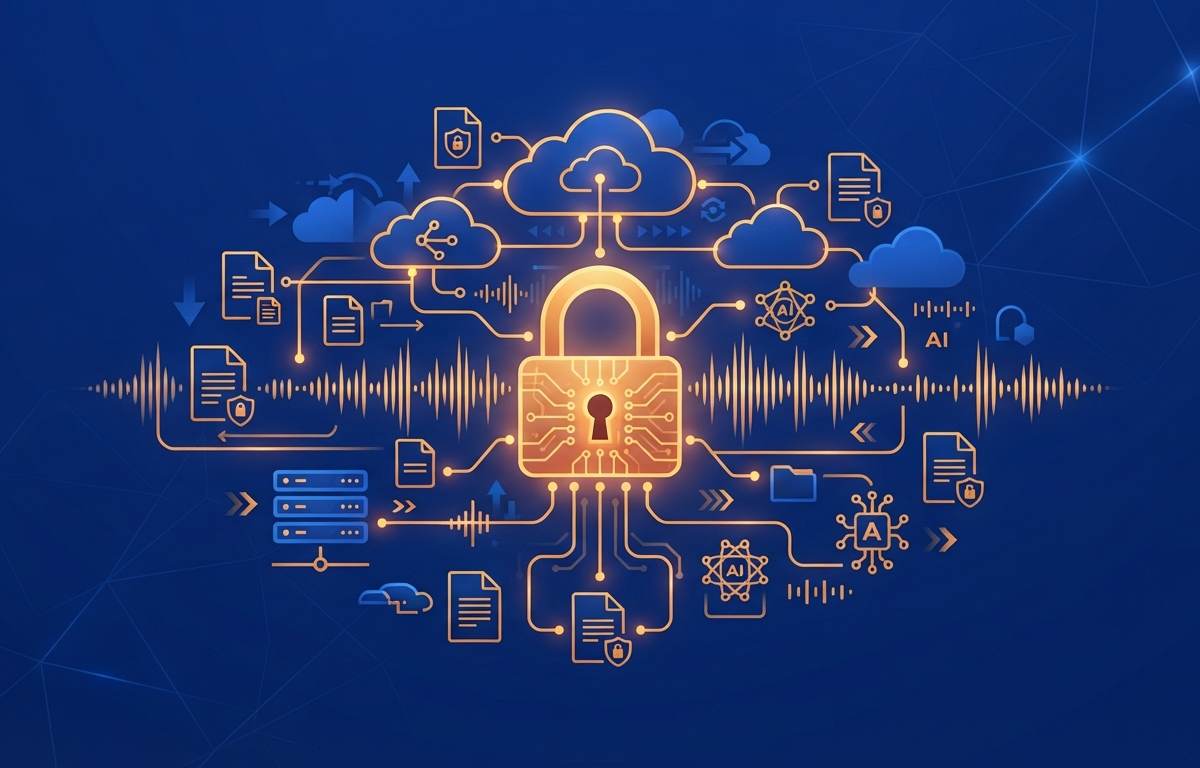
A severe cybersecurity vulnerability recently exposed more than 180,000 private meeting recordings and transcripts from Tl;dv, a widely used AI-powered meeting assistant. The leak was caused by an unsecured database endpoint, which allowed unauthenticated access to sensitive corporate discussions, strategy sessions, and proprietary data. While the flaw was eventually mitigated after disclosure, the sheer volume of accessible information underscores how vulnerable modern collaboration ecosystems can be when relying on third-party cloud tools.
This incident illustrates a growing global challenge driven by the rapid adoption of productivity-focused artificial intelligence. Employees routinely integrate third-party AI bots into virtual conferences on platforms like Zoom, Google Meet, and Microsoft Teams to automate note-taking and summarization. However, this unchecked integration often occurs without IT department oversight, creating a widespread shadow IT footprint where confidential boardroom discussions are processed and stored on external, potentially insecure infrastructure.
From a technical perspective, the breach highlights the recurring danger of cloud misconfigurations in fast-growing SaaS startups. Building rapid AI features often takes precedence over rigorous backend access controls and continuous security audits. When audio recordings and text transcripts are stored in cloud buckets without strict encryption or tokenized authentication, even minor endpoint oversights can expose massive datasets to public scanning tools and bad actors.
For businesses, government entities, and enterprises across Oman and the GCC, this breach serves as a critical warning. Under Oman’s Personal Data Protection Law (PDPL) and similar regional frameworks, companies are legally accountable for data breaches involving sensitive customer or operational information. Automatically transmitting confidential internal discussions to unvetted overseas AI servers introduces severe legal liabilities, potential intellectual property theft, and non-compliance risks.
To safeguard corporate intelligence, organizations in the Gulf must transition from public SaaS utilities to secure, enterprise-grade AI solutions. Investing in custom-built workflow automation, private cloud deployments, or locally hosted AI agents allows companies to harness speech-to-text efficiency while maintaining complete ownership and encryption over their internal communications. Establishing clear vendor vetting protocols and deploying secure local applications will remain essential for driving digital transformation under Vision 2040 without compromising cyber resilience.