
GPT 6.1 Sol Cuts Frontier AI Costs by Eighty Percent
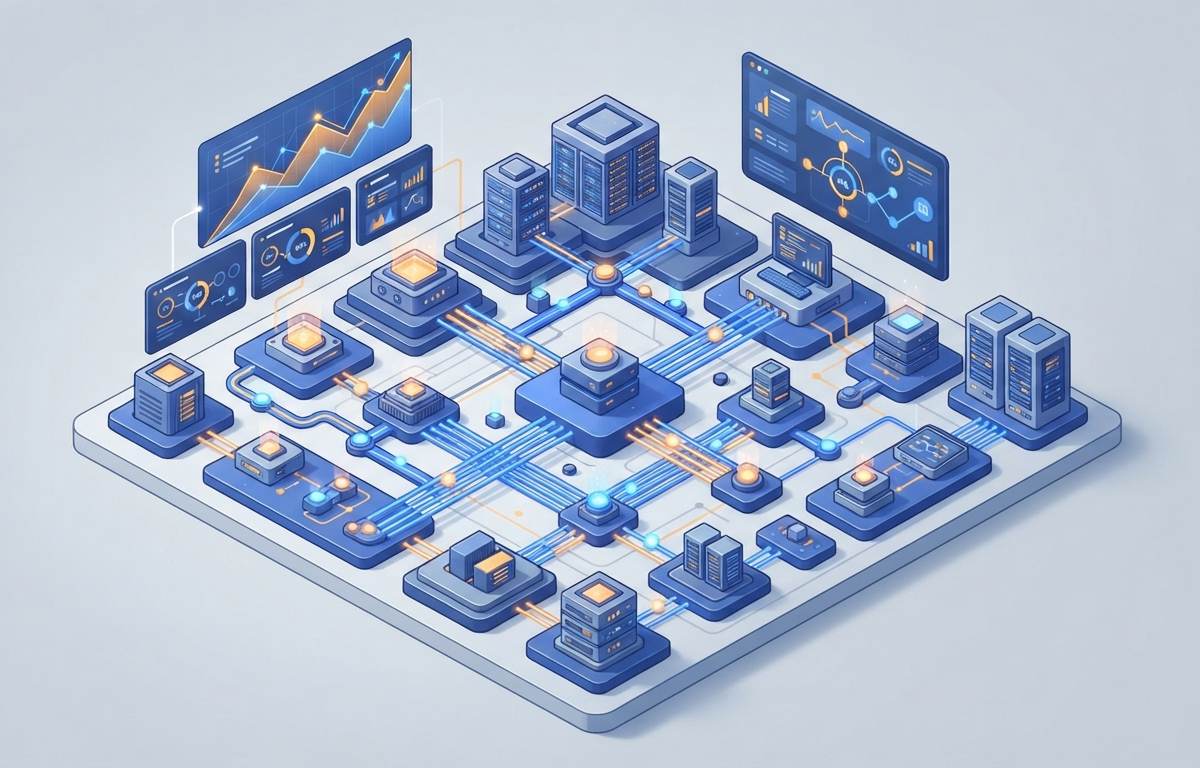
The debut of high-efficiency foundation models marks a structural turning point in enterprise technology, bringing flagship-level reasoning to organizations at an eighty percent reduction in computational expense. GPT 6.1 Sol illustrates a decisive industry shift away from purely expanding parameter volume toward maximizing algorithmic efficiency and establishing sustainable unit economics for real-world enterprise deployments.
Historically, prohibitive API inference costs confined advanced generative intelligence to tightly scoped pilot projects and selective tasks. Many corporate technology leaders hesitated to deploy autonomous multi-step reasoning across high-volume workflows due to unpredictable cloud invoices. Slashing the cost of intelligence turns advanced cognitive computing from a luxury capability into an accessible everyday operational utility.
This cost reduction fundamentally reshapes custom software development. Engineers can now orchestrate multi-agent architectures that cross-examine internal records, execute complex regulatory compliance checks, and analyze unstructured transactions simultaneously. Systems no longer need to rely on simplistic pattern-matching chatbots when sophisticated reasoning agents can run continuously at scale within manageable operating budgets.
Across Oman and the GCC, where modernization initiatives aligned with Oman Vision 2040 prioritize operational efficiency and digital agility, this breakthrough removes the primary barrier to broad AI integration. Small and medium enterprises, regional logistics hubs, and public service entities can now build intelligent bilingual customer service agents, automate localized procurement pipelines, and power dynamic e-commerce engines without significant capital expenditure.
Decision-makers and business owners in the Sultanate should promptly assess their legacy operational bottlenecks. Implementing custom AI-driven workflows for client inquiries, automated administrative verification, and real-time operational reporting is no longer a high-risk experimental investment, but a straightforward pathway to reducing overhead and boosting corporate productivity today.