
How Changing Social Habits Are Powering Gulf Food Tech
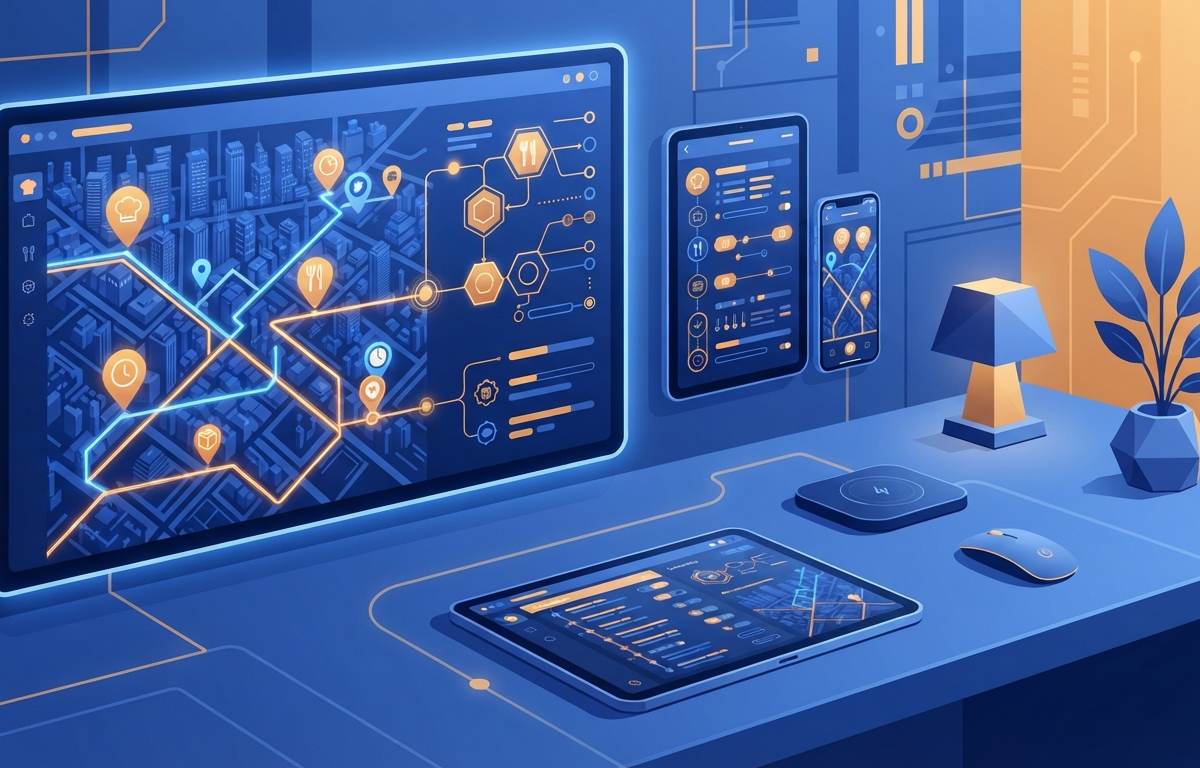
Across developed economies, a notable behavioral shift is unfolding: people are entertaining inside their homes far less than previous generations. Analysis of modern social habits highlights a transition where domestic hosting has been largely supplanted by commercial dining, app-based food delivery, and outsourced convenience. The residence, once the primary theater of communal gatherings and culinary hospitality, is increasingly treated as a private sanctuary, while social gatherings are outsourced to commercial spaces.
This cultural evolution is intrinsically tied to technology. The rise of on-demand delivery platforms, dark kitchens, and social discovery apps has lowered the friction of eating out while raising the perceived emotional and physical overhead of cooking for guests. Consumers globally now frequently trade the domestic rituals of meal preparation and clean-up for seamless culinary experiences managed directly through smartphone screens. For food and beverage enterprises, this trend shifts the competitive landscape toward speed, reliable digital presence, and experiential commerce.
In Oman and the wider GCC, hospitality has long centered on deep-rooted traditions of the Majlis and expansive family feasts. Yet, the region is experiencing its own digital evolution. Accelerated urbanization, expanding dual-income households, and a tech-savvy youth demographic across Muscat, Riyadh, and Dubai are steadily redefining how people gather. While traditional generosity remains paramount, execution has shifted toward curated catering, micro-events in dedicated venues, specialty coffee lounges, and customized home-delivery packages designed for sharing.
For local restaurants, caterers, and hospitality SMEs in Oman, this transformation presents a compelling commercial opportunity. Thriving in this new environment requires moving beyond passive storefronts and third-party delivery apps that charge hefty commissions. Omani enterprises must invest in proprietary digital channels, such as automated WhatsApp ordering bots, integrated catering reservation portals, and tailored corporate meal packages. Automating the booking and logistics pipeline allows operators to capture high-margin private gatherings without ballooning operational overhead.
As Oman advances its digital economy under Vision 2040, small businesses that adapt to these evolving lifestyle trends will secure lasting market share. By pairing traditional Omani hospitality with modern software solutions—ranging from real-time inventory dashboards to personalized customer loyalty workflows—enterprises can transform a global retreat from domestic hosting into a sustainable local engine for digital growth.