
OpenAI Dots: The Rise of Always-On Autonomous Agents
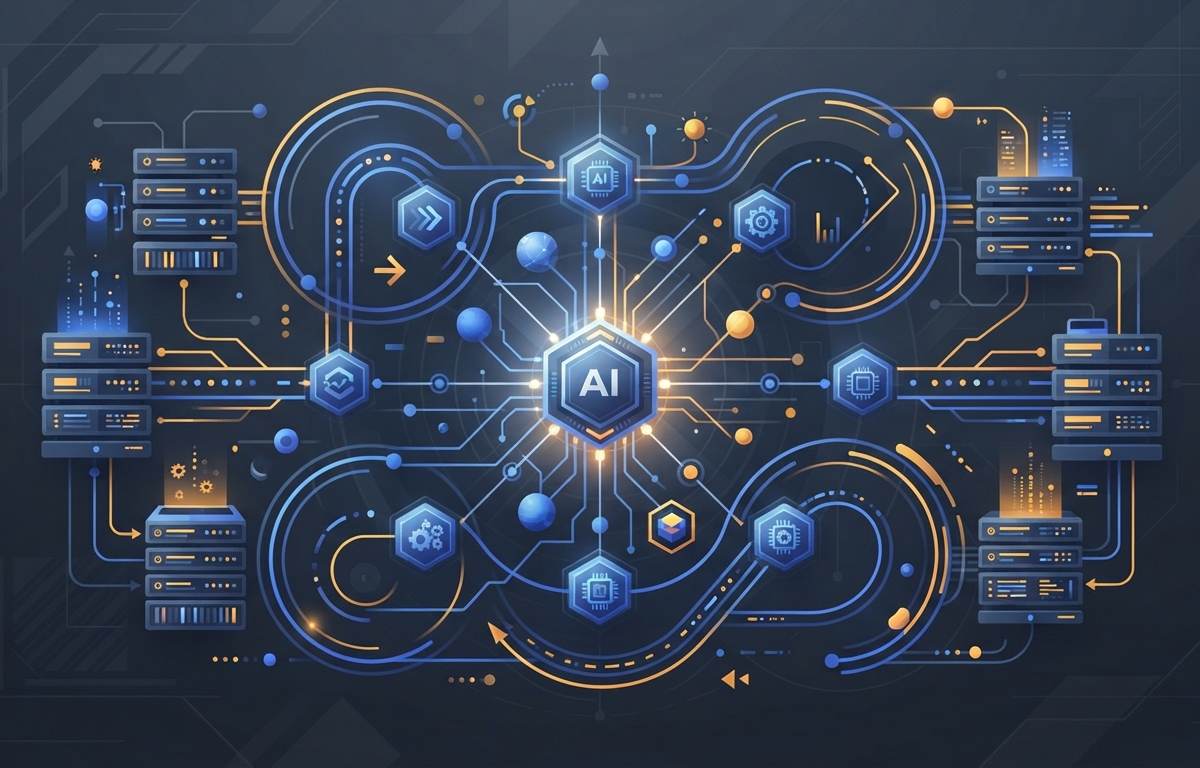
The artificial intelligence landscape is entering an era defined by continuous autonomy rather than periodic conversational prompts. With OpenAI introducing Dots, the focus has shifted toward always-on agents designed to live in the background of digital infrastructure. Unlike traditional chatbots that sit idle until a user enters a query, these agents operate persistently, observing live system feeds, analyzing incoming events, and executing multi-step tasks without demanding constant human orchestration.
Technologically, this transition represents a leap from reactive language models to persistent software processes. Always-on agents maintain situational awareness through continuous state management and long-term contextual memory. They can observe complex digital environments, recognize anomalies, coordinate across multiple applications through programming interfaces, and autonomously resolve bottlenecks. This architecture effectively transforms software from an interactive tool into an autonomous digital colleague that can anticipate organizational needs.
On a global scale, the implications for enterprise productivity are profound. Organizations are no longer limited to using artificial intelligence solely for content creation or initial customer inquiries. Instead, always-on agents can continuously audit cybersecurity logs, reconcile cross-border billing systems, manage real-time inventory adjustments across global supply chains, and balance cloud infrastructure workloads. The operational baseline shifts from scheduled human intervention to automated, real-time remediation.
For businesses and government entities across Oman and the wider Gulf region, this technology arrives at an opportune moment. As organizations advance digital transformation mandates aligned with Oman Vision 2040, lean staffing models and rapid operational scaling often clash. Always-on agents offer Omani small and medium enterprises, as well as logistics operators in hubs like Sohar and Duqm, the ability to automate critical monitoring workflows. A regional trading firm, for example, can deploy an agent to track customs updates, manage bilingual customer inquiries, and flag supply delays around the clock without inflating operational overhead.
Business leaders in the GCC should view this development as an urgent call to audit their internal operational readiness. To harness persistent agents, enterprises must transition away from legacy, fragmented systems and ensure their core data platforms and customer management tools are accessible via robust application programming interfaces. Those who build the digital plumbing today will be first to deploy tireless, autonomous agents that drive efficiency and secure a definitive competitive advantage across regional markets.