
RobCo Reaches $1B: What SME Automation Means for Gulf Industry
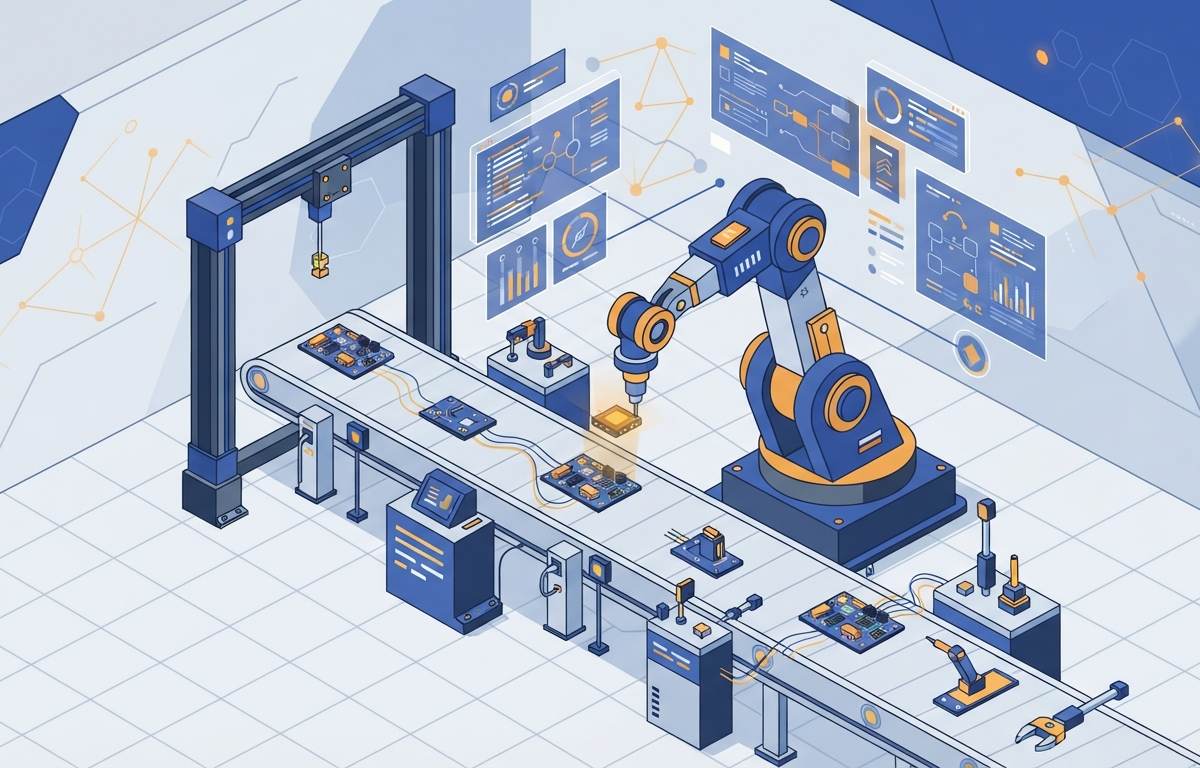
Munich-based robotics pioneer RobCo has officially joined the unicorn club, crossing a one-billion-dollar valuation following its latest funding round. Spun out of the Technical University of Munich, the company has transformed industrial automation by designing modular, adaptable robotic systems paired with intuitive software. Instead of requiring complex bespoke engineering, RobCo offers small and medium-sized enterprises a flexible, plug-and-play alternative to heavy industrial robotics.
The startup’s rapid ascent underscores a pivotal global shift: automation is no longer the exclusive playground of automotive giants and deep-pocketed conglomerates. Mid-market manufacturers worldwide face mounting labor shortages, rising overheads, and the pressure to maintain agile supply chains. RobCo addresses this friction by enabling factories to assemble custom robotic arms tailored to specific tasks—such as machine tending, palletizing, or quality inspection—in hours rather than months.
Crucially, the real breakthrough lies in the software ecosystem powering these machines. RobCo combines its modular hardware with no-code software and cloud-managed digital twins. Non-technical shop-floor workers can reprogram workflows through intuitive digital interfaces, drastically lowering the threshold for tech adoption and cutting deployment costs by up to eighty percent compared to traditional robotics installations.
For Oman and the broader Gulf region, RobCo’s milestone provides an urgent operational blueprint. Under Oman Vision 2040 and regional industrial strategies, Gulf economies are aggressively expanding manufacturing, cold-chain logistics, and port-adjacent packaging facilities in hubs like Sohar and Khazaen. However, local SMEs often hesitate to modernize due to prohibitive capital expenditures and a regional shortage of specialized robotics engineers. Low-code automation and modular robotics eliminate these historical barriers.
Gulf business leaders and industrial operators should treat this shift as a clear mandate to audit their manual shop-floor operations. Embracing adaptable, software-driven automation alongside custom workflow apps allows regional SMEs to enhance output, adhere to localization quotas without sacrificing efficiency, and scale regional production profitably without overextending capital reserves.