
Why Cloud and AI Systems Need Mandatory Hard Spending Caps
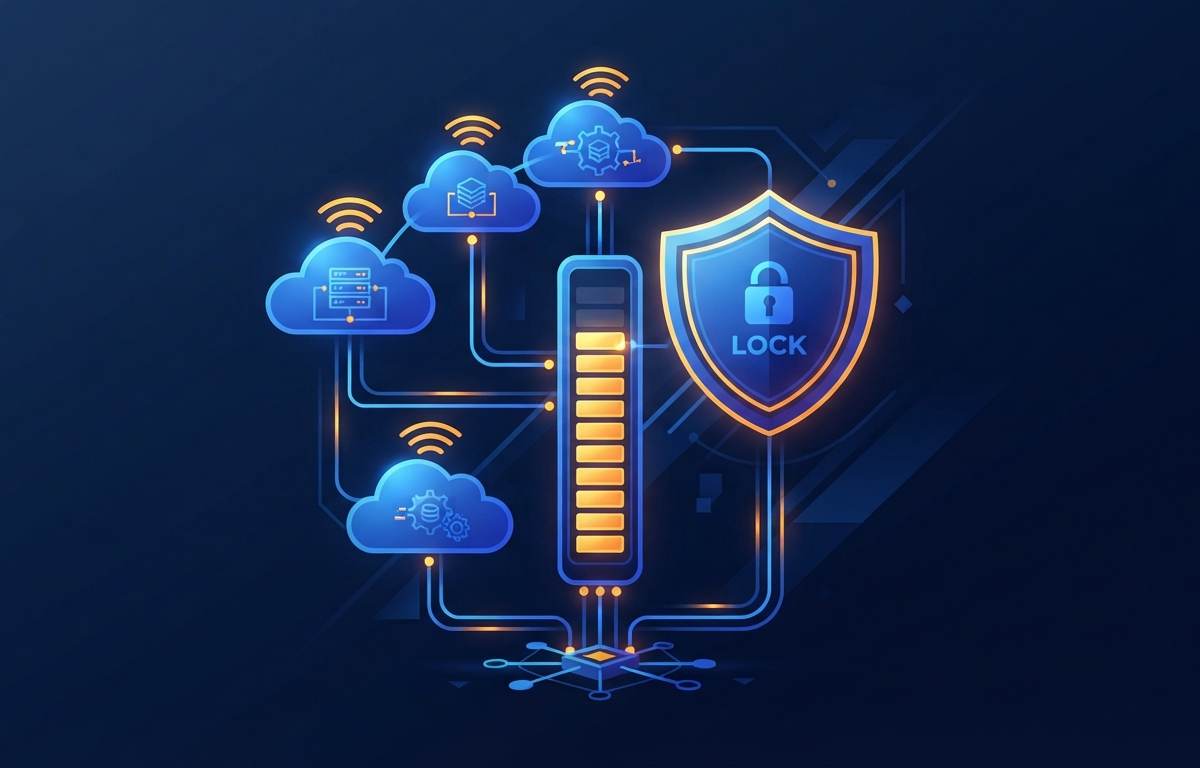
The rapid evolution of generative AI and autonomous software agents has introduced a silent operational risk: unpredictable, runaway cloud expenditure. Modern digital workflows increasingly rely on metered application programming interfaces, automated data scrapers, and recursive language model prompts. When an automated agent enters an infinite retry loop or processes unexpectedly dense payloads, consumption can spike exponentially within minutes, turning what should have been a nominal development task into an astronomical vendor bill.
Traditionally, platform providers have treated budget thresholds as soft alerts, dispatching email notifications once spending reaches eighty or ninety percent of an estimated target. In an era of microsecond API calls and high-throughput serverless architectures, asynchronous warning emails arrive far too late. By the time an engineer reviews a notification, thousands of dollars in compute cycles have already been burned. Technology leaders globally are now demanding that platforms enforce hard stops by default, cutting off access or gracefully degrading service the moment a predefined monetary ceiling is hit.
Treating cost controls as an engineering discipline, often referred to as financial operations or FinOps, is no longer optional. Just as developers implement rate limiting to protect servers against distributed denial-of-service attacks, organizations must install circuit breakers to protect their bank accounts. Hard caps force development teams to design fault-tolerant applications that handle service degradation gracefully, ensuring that a bug in an automation script does not jeopardize organizational cash flow.
For businesses and government entities across Oman and the wider Gulf, this discipline is directly tied to the sustainable execution of Vision 2040 digital objectives. As regional enterprises roll out customized customer service chatbots, automated workflow pipelines, and e-commerce platforms, leadership must demand financial boundaries at the architectural level. Local small and medium enterprises investing in AI-driven customer support cannot afford surprise overages on international cloud credit cards; operational resilience requires financial predictability.
Business owners and digital transformation officers in the GCC should conduct an immediate audit of their active cloud and artificial intelligence subscriptions. Replace advisory notifications with hard quota limits across every tenant, configure custom analytics dashboards to track daily burn rates, and partner with regional tech studios that build cost-capped, secure architectures. Safe innovation begins with knowing precisely where the meter stops.