
Why Tracking Silent AI Model Degradation Matters for Business
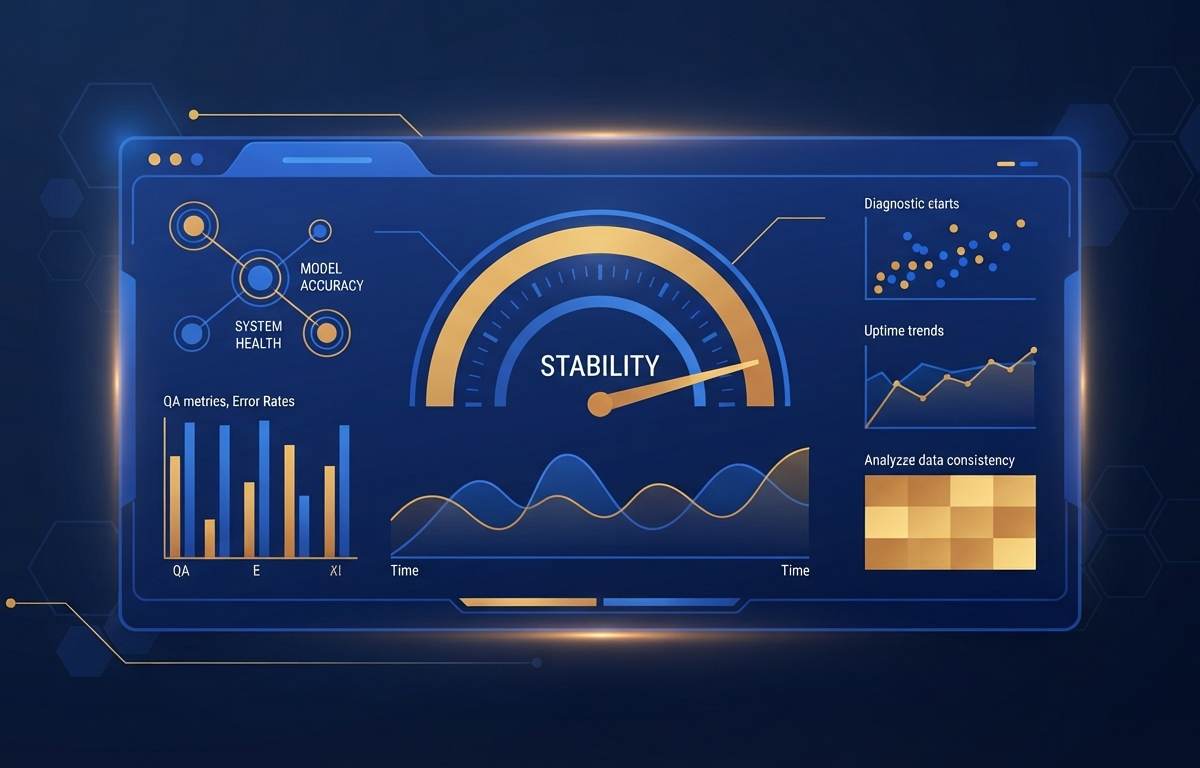
The release of open-source monitoring utilities like Livenerf highlights an escalating concern across the corporate technology landscape: the silent degradation of proprietary artificial intelligence models over time. As developers suspect major AI providers of quietly tuning weights to reduce inference costs or enhance safety guardrails, businesses often find that their previously reliable prompts begin generating erratic, lower-quality outputs without explicit vendor notice.
This phenomenon, often referred to in the tech ecosystem as model drift or stealth updates, presents serious operational hazards. When an enterprise integrates a cutting-edge large language model into customer service pipelines, automated legal document drafting, or software development, consistency is paramount. A minor shift in how an underlying model interprets contextual nuances can lead to flawed decision-making, higher error rates, and increased human intervention.
Globally, the debate underscores the fragility of relying purely on black-box commercial APIs. While foundational model providers regularly boast state-of-the-art benchmarks on launch day, sustaining that performance under massive consumer load and aggressive cost-optimization pressures is difficult. Automated regression testing and independent benchmark trackers are rapidly becoming standard engineering practices to verify that model capabilities match contractual service levels.
For business owners, financial institutions, and government entities across Oman and the GCC, this development delivers an urgent operational lesson. As organizations accelerate digital transformation initiatives aligned with Oman Vision 2040, many are embedding external AI engines directly into core workflows, from banking operations to bilingual citizen services. Treating these foreign cloud models as static, infallible utilities exposes local firms to hidden disruptions and service vulnerabilities.
Regional decision-makers must proactively safeguard their digital infrastructure by establishing localized benchmarking frameworks. Instead of depending entirely on a single proprietary vendor, Gulf enterprises should adopt multi-model architectures and integrate continuous automated evaluations on real-world company data. Investing in hybrid solutions that combine international models with customizable, locally deployed open-source frameworks will ensure consistent quality, protect data governance, and secure long-term operational resilience.